


Publication Date: April 21, 2026
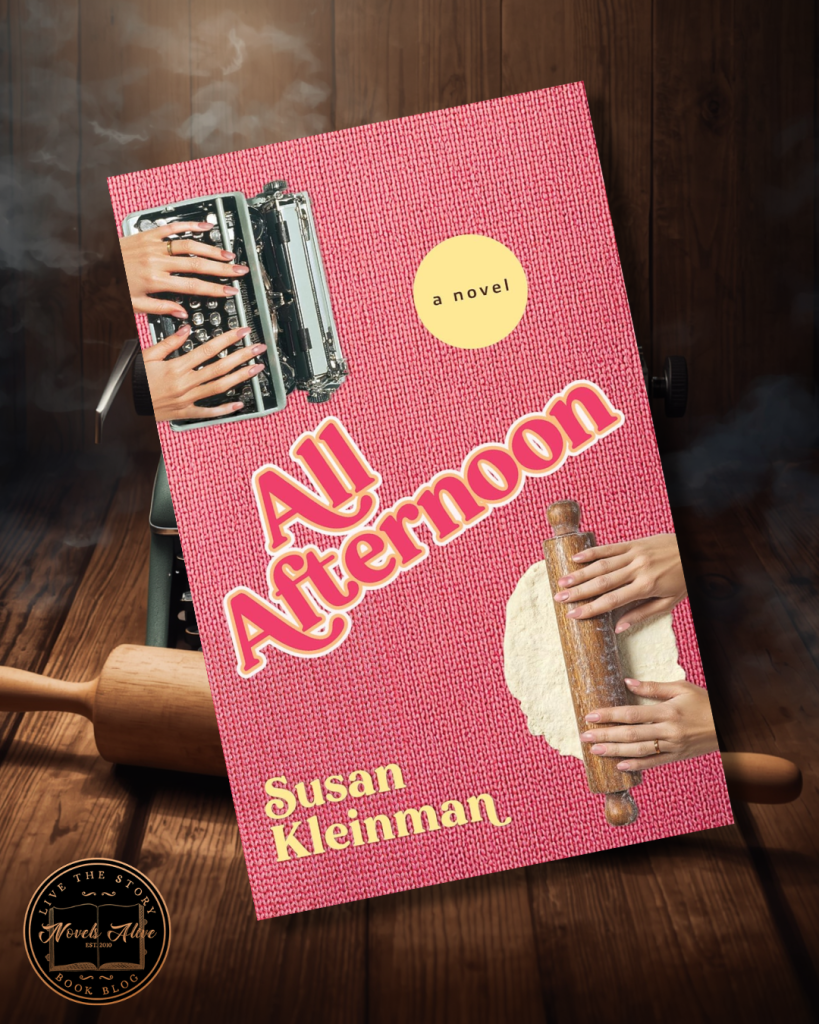
River Ridge, New Jersey, 1978: As feminism takes root in this tight-knit Modern Orthodox community, women are starting businesses, rethinking their marriages, and challenging their synagogue’s long-standing rules.
Not Marilyn Weisfeld.
Once a promising writer, Marilyn gave up her literary dreams twenty years ago when she married Jerry, a self-important professor of economics. Now, she’s too busy raising children, braiding challahs, and entertaining her husband’s insufferable colleagues to think about what else her life might have held… until the night an old friend comes to dinner.
When bestselling author Henry Goldfarb asks for Marilyn’s feedback on his new novel, something long buried inside her stirs back to life. And when he encourages her to write again, she starts sneaking into Manhattan every week to see him. In long afternoons of shared stories, easy laughter, and soul-baring conversations, Marilyn catches glimpses of a more fulfilling life she could be living – if only she can find the courage to reach for it.
But change always comes at a cost. And as Marilyn’s feelings for Henry begin to blur boundaries and test loyalties, the tidy existence she has woven so carefully in River Ridge begins to unravel. Caught between the comfort of old rhythms and the thrill of new possibilities, she will have to decide exactly what price she’s willing to pay to live bravely, authentically, and without regret.
Warmhearted, funny, and relatable, All Afternoon is a powerful debut about the quiet ache of losing yourself and the courageous work of finding your way back.

Susan Kleinman’s first novel tells an all-too-familiar story of a woman setting everything aside for her family. In All Afternoon, Marilyn Weisfeld lives by all her Jewish traditions, and scrambles to make her husband proud. But although the box springs are vacuumed weekly and Marilyn is armed with her encyclopedia of collected gourmet recipes to throw a dinner party at the drop of a hat, Jerry gets in every jab he can to insult his wife.
Marilyn shouldn’t be here. She shouldn’t have to wait for crumbs of praise about her brisket and noodle kugel. She has an English degree. She was once recognized as having talent for writing short stories. It is 1978, and sliding into the role of wife and mother was just something most women did.
Jerry teaches economics at Maplefield College, but his career has also gotten a bit twisted. He had earned his doctorate at Columbia and felt slighted by not receiving a position. Maybe because of this, he fills his life with opportunities to boast, including putting Marilyn in the position to create dinner parties served with perfection.
At a particular dinner party, Jerry is in the middle of drawing attention to himself with his inane blabbering when their young child comes downstairs sick. How could Marilyn allow this to happen and embarrass Jerry? An old friend of Jerry’s can’t stand the humiliation that Marilyn has just endured, so he follows the mother and child upstairs to help. Henry knows Marilyn is capable of so much more. Henry, who has garnered fame as a writer, leaves notes for her to review for his new book. Once Marilyn finishes this favor for Henry, she sets up a time to visit him.
Now Marilyn’s world has opened to new feelings. She balances her domestic duties while continuing to meet Henry. Their meetings allow Marilyn to hone her skills as a writer. She feels inspired. But can she keep both worlds going without disappointing anyone, including herself?
Being the perfect wife and mother gave women a reputation that allowed them some sense of pride in the 1970s, but was that enough fulfillment?
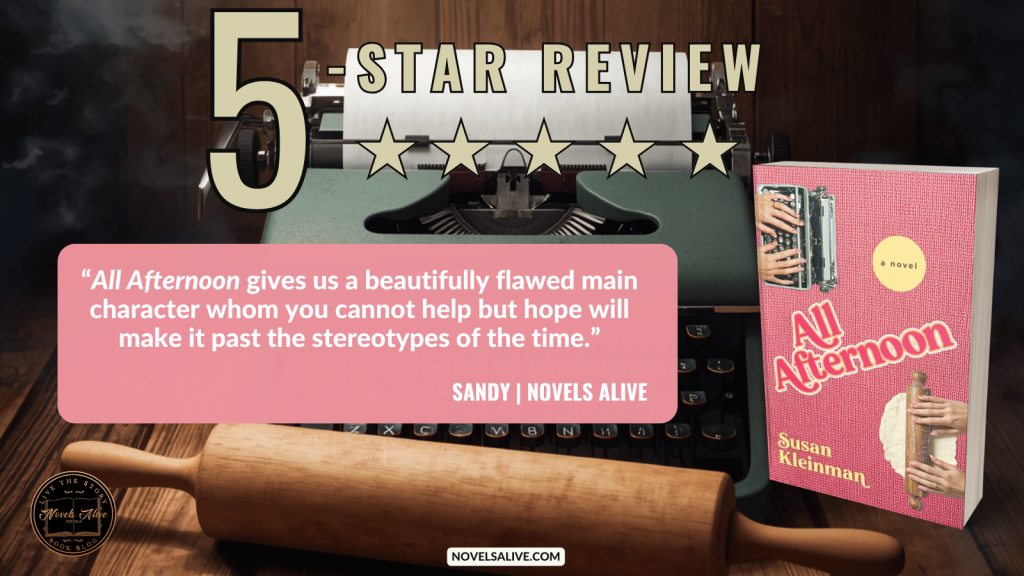
All Afternoon gives us a beautifully flawed main character whom you cannot help but hope will make it past the stereotypes of the time. 




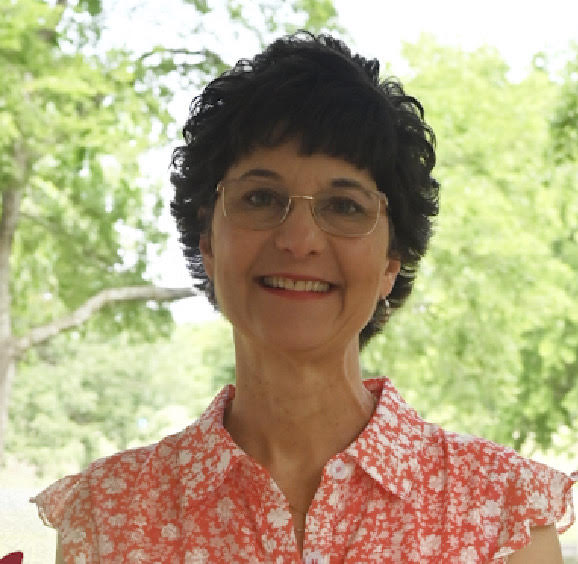
 Susan Kleinman’s writing has appeared in The American Literary Review, The Baltimore Review, CRAFT Literary, JewishFiction.com, House Beautiful, Cosmopolitan, Redbook, The New York Times, and dozens of other publications in the US and abroad. A graduate of the University of Pennsylvania, she was awarded a Kathryn Gurfein Writing Fellowship at Sarah Lawrence College, where she subsequently taught classes in fiction writing and overcoming writer’s block.









Thank you so much for this wonderful review of All Afternoon. I’m so glad Marilyn’s story resonated with you, and I appreciate the time and thought you put into your review!